Evaluating the Chef Hat Embroidery Design for Business Use
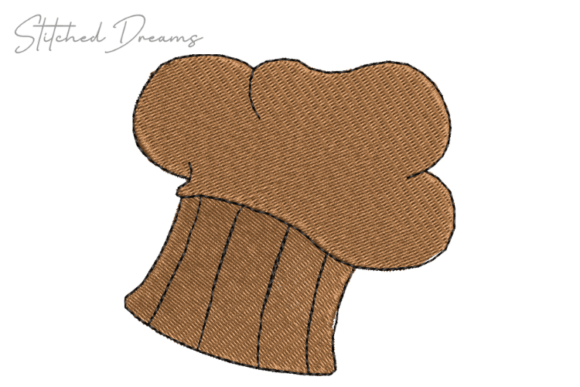
As a professional embroidery designer who creates branded merchandise for small businesses daily, my first question when reviewing any embroidery file is: does this design translate into real-world value for a brand? When I consider the Chef Hat Embroidery Design, described as featuring a beautifully detailed chef hat symbolizing artistry and passion, my immediate impression is of a design that balances classic charm with clear professional symbolism. It feels instantly recognizable, which is paramount for branding. For a café, bakery, culinary school, or any food-related business, this isn’t just decoration; it’s a direct visual shorthand for quality and craft.
The Visual Personality and Brand Impact
The name itself, Chef Hat Embroidery Design, suggests a focus on a single, powerful icon. In branding, simplicity often wins. This design’s potential lies in its ability to convey a handmade, artisanal feel—rustic and friendly—or a more crisp, premium elegance depending on your thread choices and application. For a small business, that versatility is key. A local bakery can use it to project warmth and homemade care, while a high-end catering service might employ it to signify expertise and tradition.
Using this design on staff uniforms, aprons, or caps does more than just identify employees; it builds customer trust and reinforces professionalism. A neatly embroidered chef hat on an apron immediately elevates the perceived value of the person wearing it and the products they serve. For Etsy sellers or craft businesses selling food-related products, this design applied to a tote bag or as a patch on packaging becomes a subtle but effective brand mark that connects the product to the passion described in the design’s own description.
Real-World Applications for Merchandise and Patches
Let’s walk through practical scenarios. Imagine a small café wants embroidered merchandise. The Chef Hat Embroidery Design could be the central logo accent on crewneck sweatshirts sold as customer gifts. As a chest logo on work shirts, it provides a clean, professional look without overwhelming the garment. Its single-icon nature makes it a strong candidate for cap embroidery on the front panel, provided the details remain clear at a smaller size.
For a boutique food brand or a pet bakery (think gourmet dog treats), this design becomes an excellent patch for product labels or as a sleeve detail on branded apparel. The symbolism of the chef hat extends beyond human cuisine to signify “carefully crafted.” As an embroidered patch applied to tote bags, it turns a simple bag into branded merchandise that customers carry, extending brand recognition organically.
Critical Considerations for Production Success
While the description speaks of beautiful detail, an embroidery designer’s job is to ensure that detail survives production. Here are my professional notes for using this machine embroidery design commercially:
- Test at Small Sizes First: If intended for a cap front or a small product label patch, run a test stitch-out. Beautiful detail can become lost or muddy if the design isn’t optimized for a small hoop size. Check the clarity of outlines and internal textures.
- Color Contrast is Everything: Test the embroidery file in high-contrast scenarios first—perhaps black thread on a white test fabric, and white thread on a black fabric. This reveals how the design holds up on dark uniforms or light aprons. The stitch density must look clean in both situations.
- Fabric and Stabilizer Choice: A chef hat design on a textured apron fabric or a thick tote bag material requires proper stabilizer to maintain shape. For items facing frequent washing, like staff polos, ensure the stitch structure is robust enough to withstand wear.
- Create a Physical Mockup: Before final production, stitch the Chef Hat Embroidery Design on a scrap of the actual garment fabric. This reveals how thread colors interact with the fabric color and texture, something a digital preview cannot.
- Integrate with Other Design Assets: Place the stitched sample beside your other branding elements—your font-based logo, color palette. Does it feel cohesive? A standalone icon must complement the broader brand identity.
Where to Use with Care and Strategic Advice
Some applications require extra forethought. Due to its likely detailed nature, using the Chef Hat Embroidery Design on very curved surfaces like the side of a cap might distort some elements. Tiny lettering within the design, if present, should be scrutinized for legibility at small scales. High stitch density, often used for premium texture, can be too heavy for lightweight fabrics, so match the design’s weight to the garment’s purpose.
The fact that this design is listed under a category like Freebies is a fantastic opportunity for small businesses to experiment with branded embroidery before investing in custom designs. However, always confirm the commercial licensing terms before using any digital embroidery file for business merchandise, even freebies. You need clear permission to use it on products you sell or uniforms you produce.
Final Thoughts on Value and Engagement
Ultimately, the Chef Hat Embroidery Design isn’t just an image; it’s a brand tool. When embroidered neatly on a product, it enhances the product’s perceived value, signaling that it’s part of a thoughtful, professional brand. For customer engagement, a well-executed embroidered patch on a hat or bag creates a tangible, quality connection that printed logos often lack. It speaks to a handmade presentation, aligning perfectly with the ethos of many small creative businesses.
My advice to apparel decorators, merch creators, and crafters is to approach this as a strategic asset. Test it thoroughly, consider its role in your visual identity, and use it to tell your brand’s story of artistry and passion—just as the design description intends. A successful embroidery file is one that stitches a concept onto fabric and, more importantly, into the mind of your customer.